
1/640sec, f8.0, ISO400
http://jennifersawicky.smugmug.com/buy/46618501_HZ72M2/3820604648_qsLxrxb/
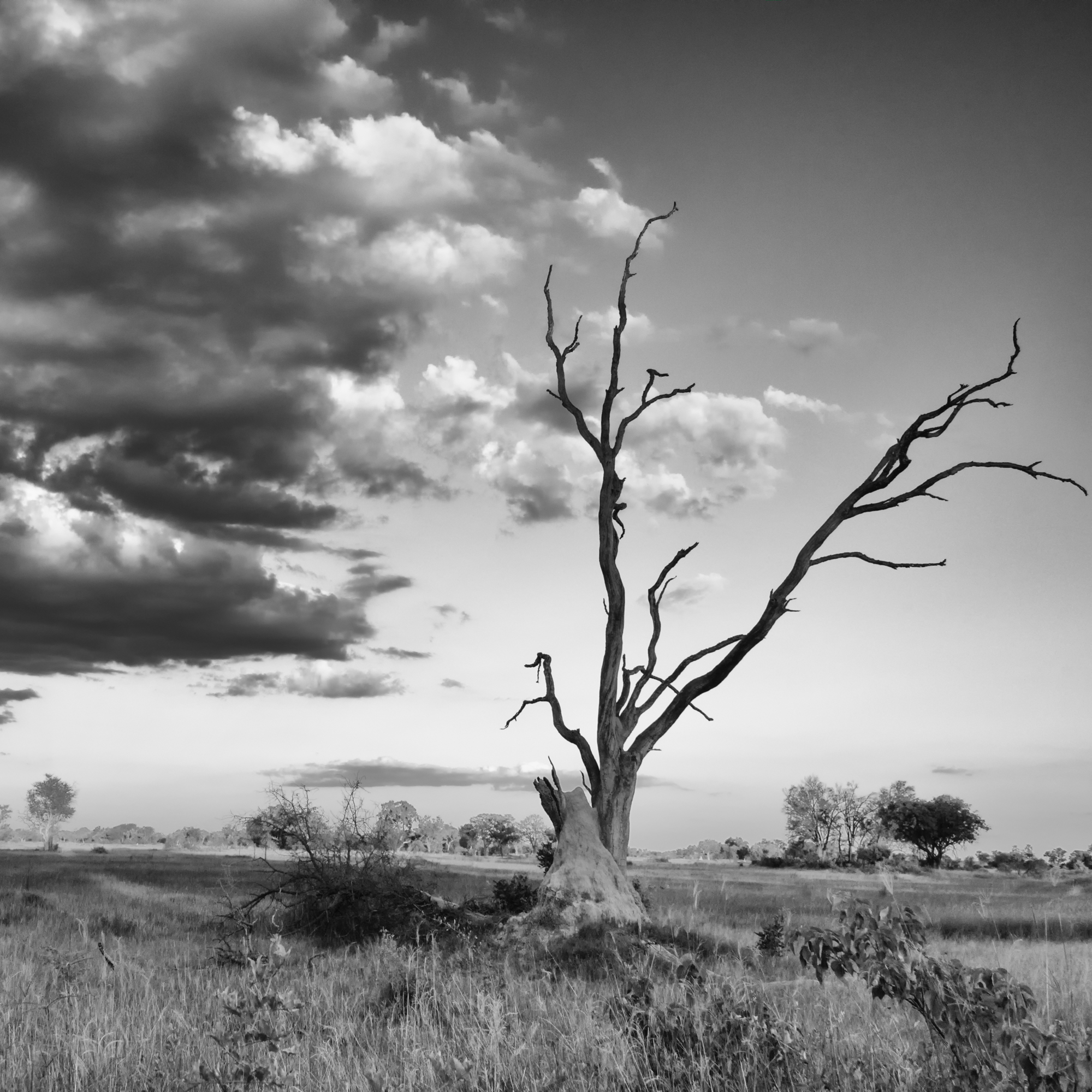
Showcasing the beauty of Mother Nature
http://jennifersawicky.smugmug.com/buy/46618501_HZ72M2/3820604648_qsLxrxb/
While at the Zimanga volunteer house, I had a great time in the garden on a few afternoons, taking pictures of whatever birds happened to be hanging around. A pair of scarlet chested sunbirds allowed me to hover around them for close to an hour while they had a meal at an aloe plant. Unfortunately, getting a photo of both of them together was not in the cards, but I do have lots more photos of them to go through and post in the near future.

Find this photo on Smugmug:
http://jennifersawicky.smugmug.com/buy/46618501_HZ72M2/3820604785_ZVHvJcQ/

I saw both male and female black bellied bustards while at Zimanga Reserve, but only managed to capture a few photos of the male, on a couple of different days. Each time, it was on the ground looking for food, and took off after being startled by the approaching vehicle.
Like most bird species, the female is far drabber in appearance, and lacks the black belly. Unfortunately the only photo I have of a female is completely out of focus as it was shot from the moving vehicle.


While at Zimanga Game Reserve with Wildlife Act, our group was fortunate enough to have two sessions in their fantastic bird hides. The first was an afternoon session in the Bhejane birdbath hide, and the second, where these photos were taken, were from a morning session at the Mkhombe birdbath hide. The morning session provided over 900 photos, and not just of birds; warthogs and the vervet monkeys came from a drink as well.
While the vervet monkeys can be incredibly cheeky around a lodge or camp, snatching food and wrecking havoc should they decide to go inside, I find them fascinating to watch and love seeing their antics. Around the birdbath, they were more concerned with each member getting a drink than getting into any mischief (although there was one snacking on the scattered birdseed). I especially loved to see the moms with the tiny babies clinging to their stomachs, and I believe there were either two or three babies in the troop.


On one of my South African trips, I was lucky enough to see this white rhino cow and calf having an afternoon rest. Mama was providing a shady spot away from the afternoon heat for her baby, but they were very quickly startled by our presence and moved off just a moment after I pressed the shutter down.


The long grass was doing nothing to enhance the photo, and the Jackass penguin has only a limited amount of pale pink colouring around the eyes, so I decided to do a black and white conversion. After a hectic day, unwinding with some editing seemed like a good choice, and the penguin made me smile. Mission accomplished 🙂
1/320sec, f5.6, ISO200 – conversion in Silver Efex
Penguin at Boulder Beach, Cape Town, South Africa, March 2013.
Londolozi is well known for the number of leopards they have living within the bounds of the property, and I was lucky enough to see three of them during my visit. They were elusive at first though, and it wasn’t until our third afternoon game drive that we finally saw our first leopard; the lions stole the show for the first half of our visit.

It was around 4:30 when Talley took a call that a leopard had been spotted with a fresh kill, and even though the viewing was not likely to yield great photos, we headed in that direction anyways, since we had yet to see a leopard.
When we found him, he was deep under some bushes with an impala ram. He had already had his fill, but was still working on pulling the fur off of the impala. The view from the vehicle was obstructed by the bushes, while I managed to get a couple shots and a short video clip, mostly I just watched.

We came across this leopard, as well as others, the next morning. The photographic opportunities and the story of that morning viewing were amazing!

I’ve just finished a blog post for Londolozi’s guest blog page, and now it is time to get back to keeping up my own page. Except I’ve got a touch of writer’s block.


I’ve been trying to think of what angle to take, what animal to highlight, and right now, nothing is coming to me at all. But these past few weeks, I have been working on a photo book project with my Mom, so I thought I would post a few of the pictures we have selected to include so far.


This little bird captivated me from my first sighting, but proved to be a difficult photography subject for the first couple of days. Obviously there was the usual scenario – that birds don’t necessarily sit still long enough for photographs. Then I had overcast weather or flat out rain that did not do the colours justice, or fading evening light. But in the end, I managed several lovely shots, one of which is now framed so I can see it every day.

From Wikipedia:
“The Lilac-breasted Roller (Coracias caudatus) is a member of the roller family of birds. It is widely distributed in sub-Saharan Africa and the southern Arabian Peninsula, preferring open woodland and savanna; it is largely absent from treeless places. Usually found alone or in pairs, it perches conspicuously at the tops of trees, poles or other high vantage points from where it can spot insects, lizards, scorpions, snails, small birds and rodents moving about at ground level.[2]
Nesting takes place in a natural hole in a tree where a clutch of 2–4 eggs is laid, and incubated by both parents, who are extremely aggressive in defence of their nest, taking on raptors and other birds. During the breeding season the male will rise to great heights, descending in swoops and dives, while uttering harsh, discordant cries.
The sexes are alike in coloration. Juveniles do not have the long tail feathers that adults do.
This species is the national bird of Botswana and Kenya.”


This is the photo that I have framed 🙂
